AdBlue dispenser
An AdBlue dispenser is a specialized dispensing system designed for the precise transfer of AdBlue (Diesel Exhaust Fluid or DEF) into diesel vehicles equipped with SCR (Selective Catalytic Reduction) systems. Built for accuracy, durability, and ease of use, our AdBlue dispensers are ideal for commercial fleet, fuel stations, workshops, and industrial sites.
Each DEF dispenser is engineered to prevent contamination, ensure correct dosing, and meet emission compliance standards. Whether you need a standalone unit or an integrated multi-fluid dispensing system, our range supports flexible configurations and various flow capacities.
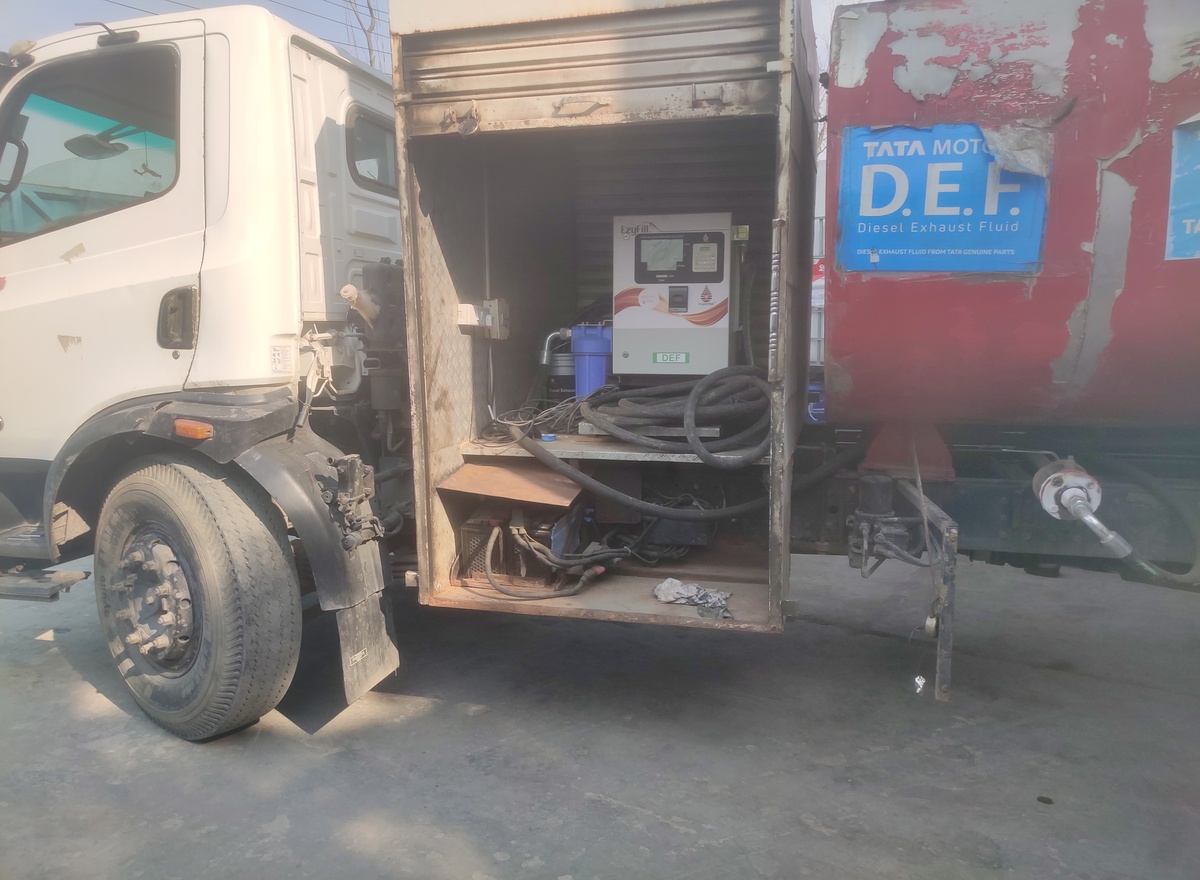
Core Information
A typical AdBlue dispenser is designed for precise, contamination-free dispensing of Diesel Exhaust Fluid (DEF) and includes modular components that can be tailored for fleet, retail, or workshop use. Below is the standard configuration
- Type: Self-priming
- Duty options: 25 LPM and 100 LPM
- Motor: AC or DC-powered, depending on stationary or mobile use
- Type: Oscillating Piston Positive Displacement
- Accuracy: Better than ±0.05%
- Repeatability: Better than ±0.02%
- Material: 316 Stainless Steel (CF8M)
- Material: DEF-compatible PP and Stainless Steel
- Type: Auto shut-off
- 776 digital display: Shows real-time dispensing volume, money, total volume, and preset options
- Controls: Start/stop, reset, and preset dispensing
- Printer built-in
- Control panel – IP44 type
- Mounting: Wall-mounted, pedestal, or mobile trolley versions
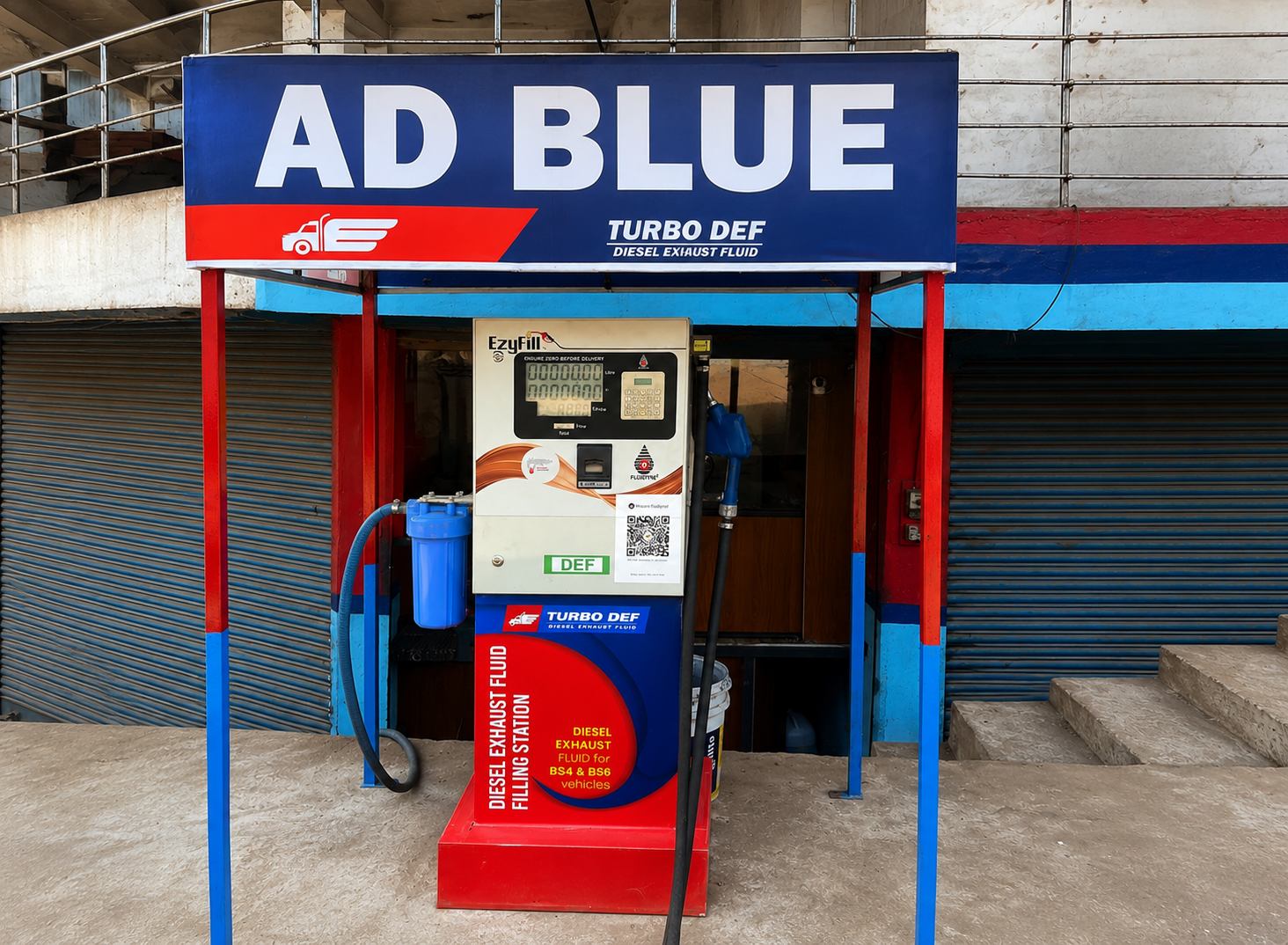
- Duties – 25 LPM and 100 LPM
- Fluidyne’s built-in patented oscillating piston technology
- Measurement accuracy – Better than 0.05%
- Compatible with road tanker, bulk tanks, IBCs, and drums
- Works on negative suction upto 2 metres
- All 304/316 Stainless Steel construction
- ISO 22241 compliant
- Automatic empty IBC detection feature
- Triclamp joints for easy maintenance
- Large numeral 776 counter with backlight
- Optional integration with fuel management systems via RS485/Modbus automation mode
- Versions also available for diesel, coolant, and water dispensing
Our AdBlue dispensers are trusted by transport depots, logistics hubs, automotive service centers, and fuel retailers across industries. With reliable performance and low maintenance, they are the better choice for DEF handling and beyond.
- Flowmeter is manufactured in-house with patented technology
- One design, multiple fluids — suitable for DEF, diesel, coolant and water
- Triclamp joints for easy maintenance
- Large 776 display for easy readability
- 304 SS metal keypad
- Material compatibility – All 304/316 SS construction
- Works on negative suction upto 2 metres
Applications
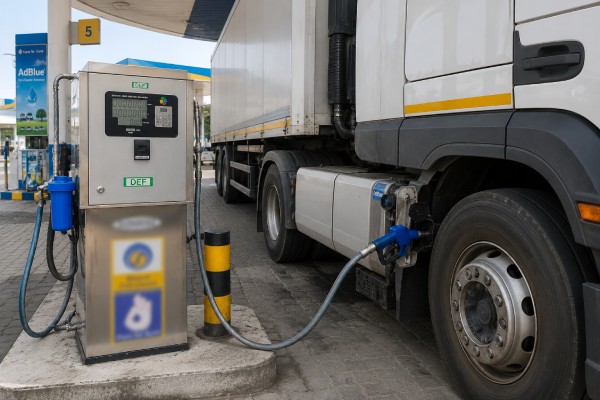
Retail Outlets
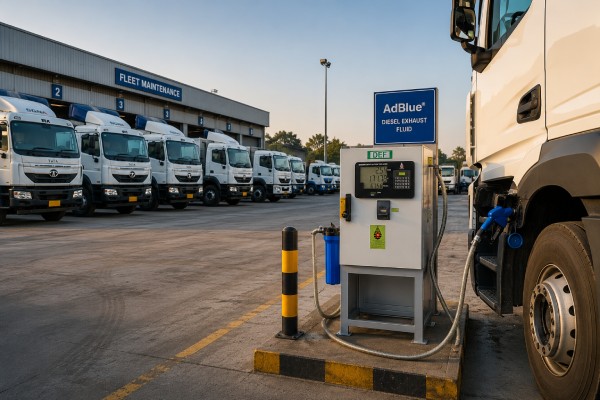
Commercial Vehicle Fleet
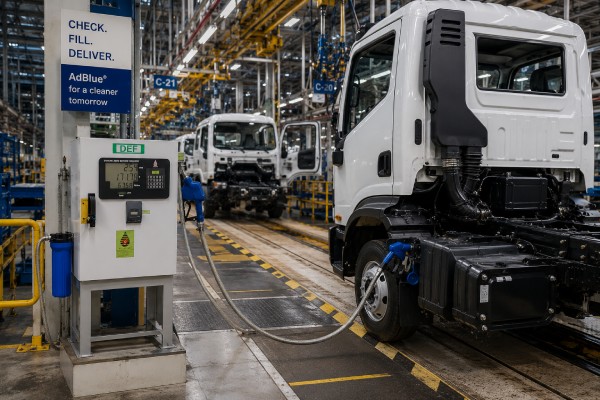
Automotive Assembly Lines
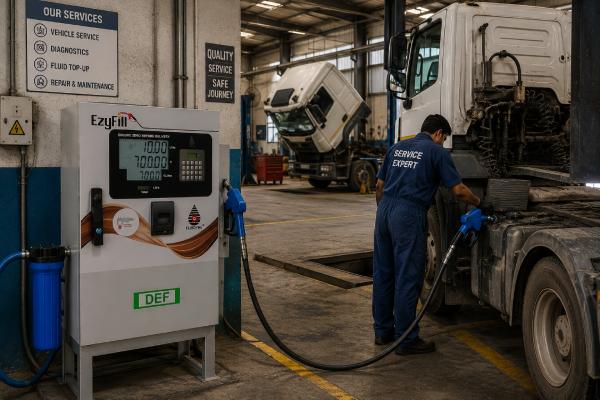
Service Centers
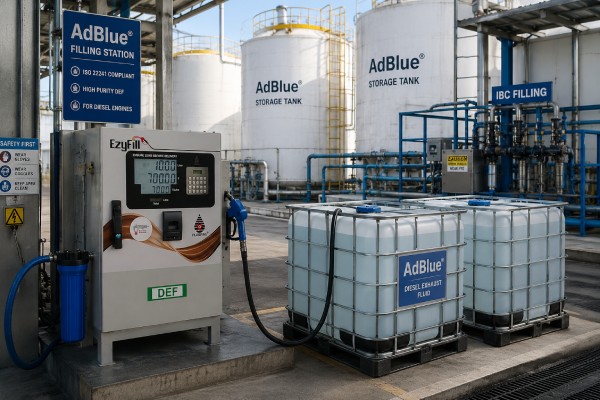
Adblue Manufacturers
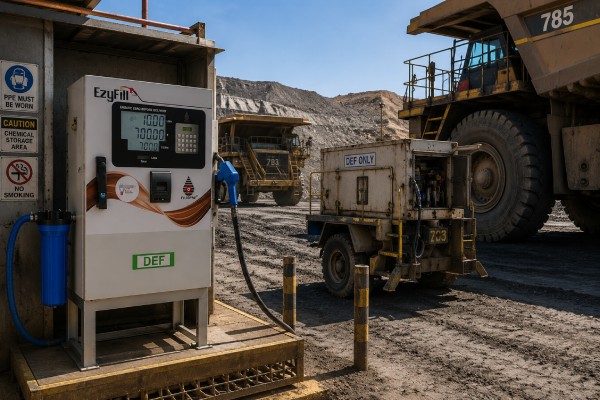
Mining Vehicles
Related Products
Series 6720 – EzyFill
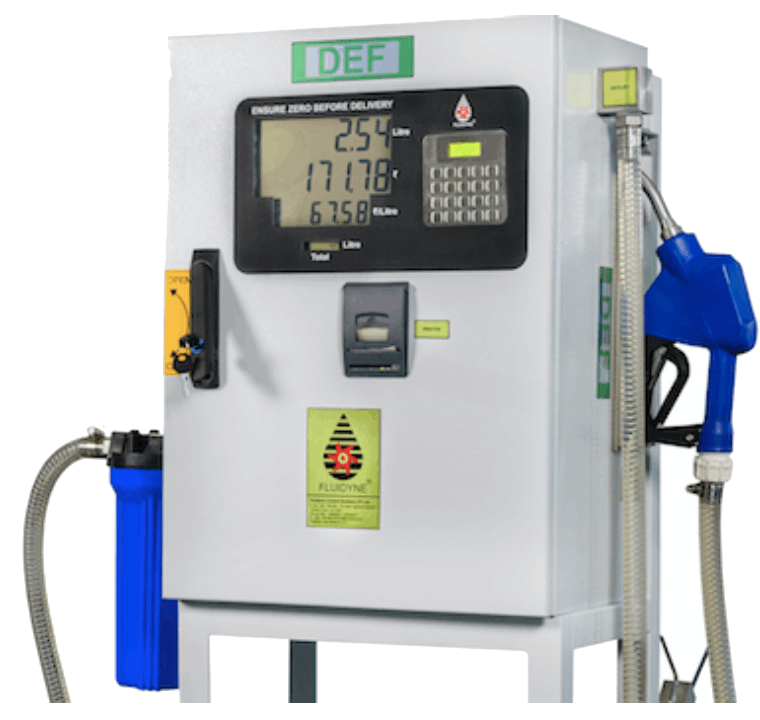
- Product Brochure
Ordering Information
Instruction Manual
LM Approval 25 LPM
LM Approval 100 LPM
Download Brochure
FAQ’s
AdBlue is a non-toxic solution made of 32.5% high-purity urea and 67.5% deionized water, used to reduce harmful nitrogen oxide (NOx) emissions from diesel engines. To maintain its purity and effectiveness, AdBlue must be handled and dispensed using DEF-compatible equipment.
Main Functions of an AdBlue Dispenser
- Accurate Measurement: Dispenses the exact volume of DEF required
- Contamination Prevention: Uses materials that are compatible with urea, avoiding reactions that could damage vehicle systems
- Controlled Flow: Offers preset and manual dispensing for various vehicle sizes
- Data Recording: Advanced models log usage data and integrate with fleet management systems
Typical Components of a DEF Dispenser
- DEF-compatible pump (diaphragm or magnetic drive)
- Flowmeter (usually oscillating piston positive displacement
- Digital display and control interface
- Hose and nozzle made from urea-resistant materials (e.g., stainless steel, polypropylene)
- Optional features: heating for cold climates, batch controller, printer, or SCADA connectivity
You can’t use a regular fuel dispenser for AdBlue for several important reasons, including contamination risks, material compatibility issues, and the need to maintain AdBlue purity. The key reasons are explained below:
1. Material Incompatibility
- Fuel dispensers are typically made with components that are compatible with hydrocarbons (like diesel or petrol), such as brass, copper, aluminum, rubber, and PVC.
- AdBlue is a urea-water solution (32.5% urea in deionized water) that is highly corrosive to these materials.
- If exposed to AdBlue, these components can corrode, contaminate the fluid, and fail prematurely.
2. Contamination Risk
- Even trace amounts of fuel, grease, or oil from a diesel dispenser can contaminate AdBlue.
- Contaminated AdBlue can damage the vehicle’s SCR (Selective Catalytic Reduction) system, leading to engine warning lights, increased emissions, or costly repairs.
3. Pumping Technology Mismatch
- Fuel dispensers use gear or vane pumps, optimized for low-viscosity, lubricating liquids like diesel.
- AdBlue requires non-lubricating, corrosion-resistant pumps (e.g., diaphragm or magnetic drive pumps) made from polypropylene, stainless steel, or EPDM materials.
4. Metering & Flow Accuracy
- Fuel meters (calibrated for diesel or petrol) do not account for AdBlue’s viscosity or flow characteristics, leading to inaccurate readings.
- AdBlue dispensers use specially calibrated positive displacement or oval gear meters designed for DEF.
5. Temperature Sensitivity
- AdBlue crystallizes below -11°C and decomposes above 30–35°C.
- Specialized insulation, heating, and temperature control features are required in AdBlue systems—features not present in fuel dispensers.
AdBlue Dispensers Are Purpose-Built
AdBlue dispensers are designed using
- DEF-compatible wetted materials
- Dedicated pump systems
- Contamination-proof nozzles
- Flowmeters specifically calibrated for urea-based solutions
Common Wetted Materials in AdBlue Dispenser are:
- Polypropylene (PP)
- Widely used for piping, nozzles, and internal chambers
- Excellent chemical resistance to urea solutions
- Lightweight and durable
- Stainless Steel (SS 316 or SS 304)
- Used in high-end or industrial-grade DEF dispenser
- Ideal for pump housings, flowmeters, and valves
- Provides excellent resistance to corrosion and crystallization
- Viton (FKM-A)
- Used for seals, gaskets, and O-rings in Adblue dispenser
- Specifically chosen for its compatibility with urea solutions
- Maintains elasticity and sealing even in cold climates
- Also used in diesel dispenser due to compatibility with fuels
- PTFE (Polytetrafluoroethylene / Teflon®)
- Used in lining, valves, or diaphragm pump elements for adblue dispenser
- High chemical resistance and non-reactive surface
Materials to Avoid in DEF dispenser
- Copper, brass, zinc, and aluminum: These react with urea and can cause contamination, clogging, and equipment failure.
- Natural rubber and PVC: Not resistant to DEF and may degrade or leach impurities into the fluid.
Adblue dispenser manufactured by Fluidyne offers industry leading accuracy of better than ±0.05% of batch. The same accuracy is also acheived for various liquid dispenser such as diesel dispenser, coolant dispenser and water dispenser.
Regular maintenance of your AdBlue dispenser is essential to ensure accurate dispensing, prevent contamination, and extend equipment life. Due to the chemical nature of AdBlue (Diesel Exhaust Fluid)—a urea-based, water-soluble solution—its handling system requires special care and preventive checks.
Key Maintenance Tasks for AdBlue Dispensers
1. Nozzle Cleaning
- Rinse the nozzle tip regularly with deionized water to prevent urea crystal buildup.
- Inspect for clogs or drips, and ensure the auto shut-off mechanism is functioning correctly.
2. Hose Inspection
- Check hoses for signs of stiffening, cracks, or leaks.
- Ensure all hose materials remain DEF-compatible (avoid exposure to sunlight or extreme temperatures).
3. Filter Replacement
- Replace inline filters every 6–12 months or based on usage.
- A clogged filter can restrict flow and affect dispensing accuracy.
4. Pump & Flowmeter Check
- Inspect for leaks, unusual noises, or pressure drops.
- Test the flowmeter calibration periodically and re-calibrate if necessary to maintain measurement accuracy.
5. Tank and Pipework Cleaning
- Clean storage tanks and piping annually or as recommended.
- Avoid residue buildup or contamination from foreign particles, which can affect fluid purity.
6. Electronics & Display Panel
- Inspect the control panel, displays, and batch controller for responsiveness.
- Check for moisture ingress in outdoor installations and ensure the IP-rated enclosure is intact.
7. Seal and Gasket Inspection
- Check EPDM or PTFE gaskets and seals for wear or chemical degradation.
- Replace any worn parts to maintain leak-free operation.
8. Winterization (Cold Climates)
- In freezing conditions, use dispensers with built-in heating or insulation.
- Drain lines and nozzles if the system is not in use for extended periods.
Best Practices
- Only use deionized water for cleaning; avoid solvents or detergents.
- Never mix AdBlue with other fluids; even small contamination can cause system damage.
- Keep maintenance logs and follow OEM service recommendations.