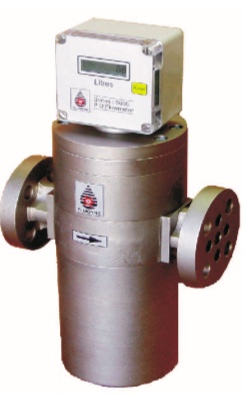
Drum Filling System
A drum filling system is a precision liquid dispensing solution designed for controlled filling of drums and barrels using positive displacement oscillating piston flowmeters and a dedicated Fluidyne batch controller. These systems are purpose-built for repackaging solvents, oils, and process liquids where accuracy, repeatability, and speed are critical.
Unlike weighing-based filling systems that depend on load cells and mass conversion, a drum filling system based on flow measurement directly dispenses true volume, offering higher resolution, faster cycle times, and superior repeatability. This approach closely mirrors the proven methodology used in retail fuel dispensing, adapted for industrial liquids such as solvents and oils.
Fluidyne designs drum filling systems as compact, reliable repackaging solutions ideally suited for traders, petrochemical companies, and pharmaceutical manufacturers.
Core Information
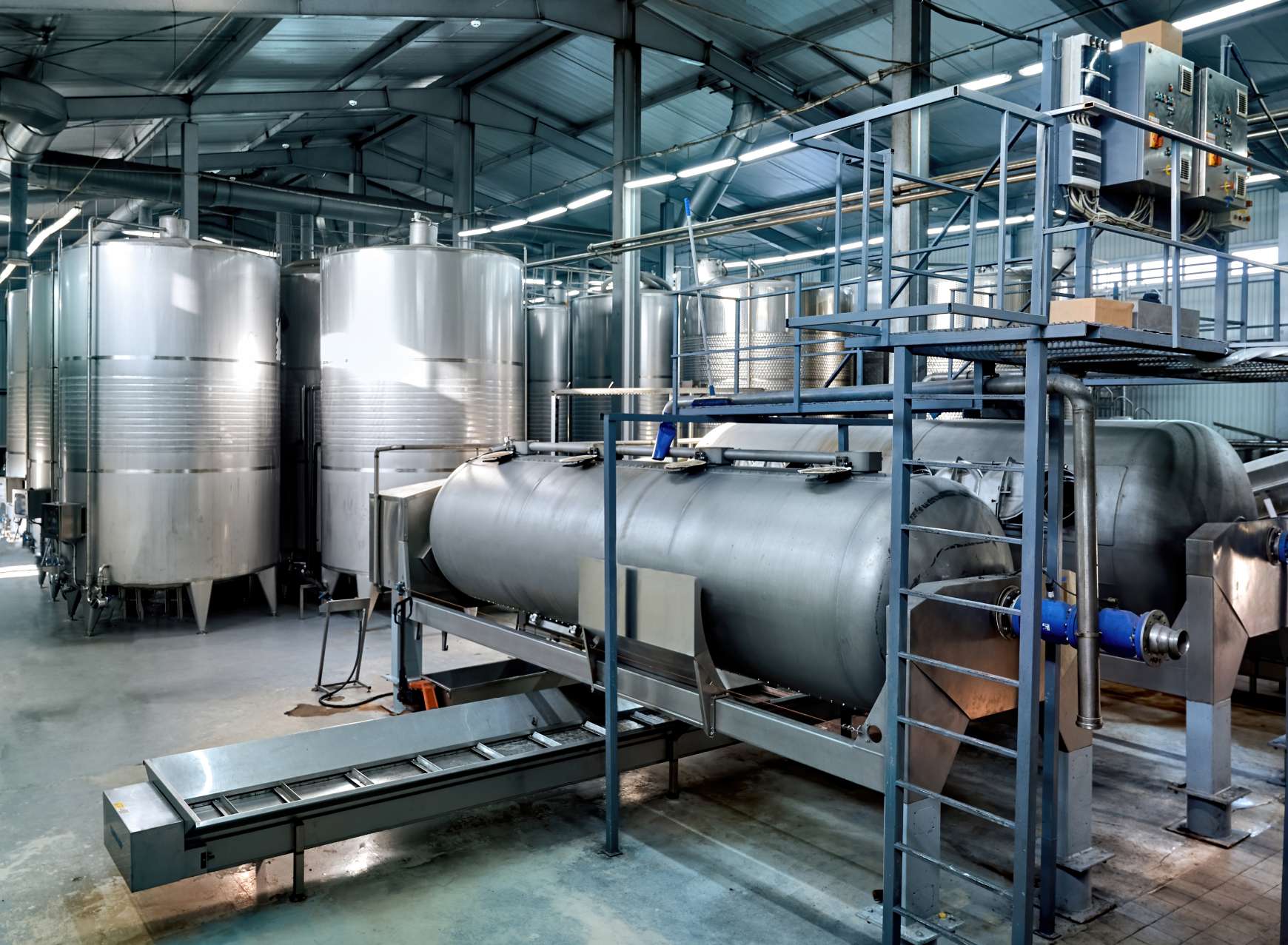
The drum filling system is configured as a controlled liquid dispensing line with clearly defined functional components.
This configuration ensures that each drum filling cycle delivers a precise preset volume, independent of liquid density or temperature. The operating principle is similar to fuel dispensing at retail outlets, but engineered for industrial solvents, oils, and chemicals
Applications
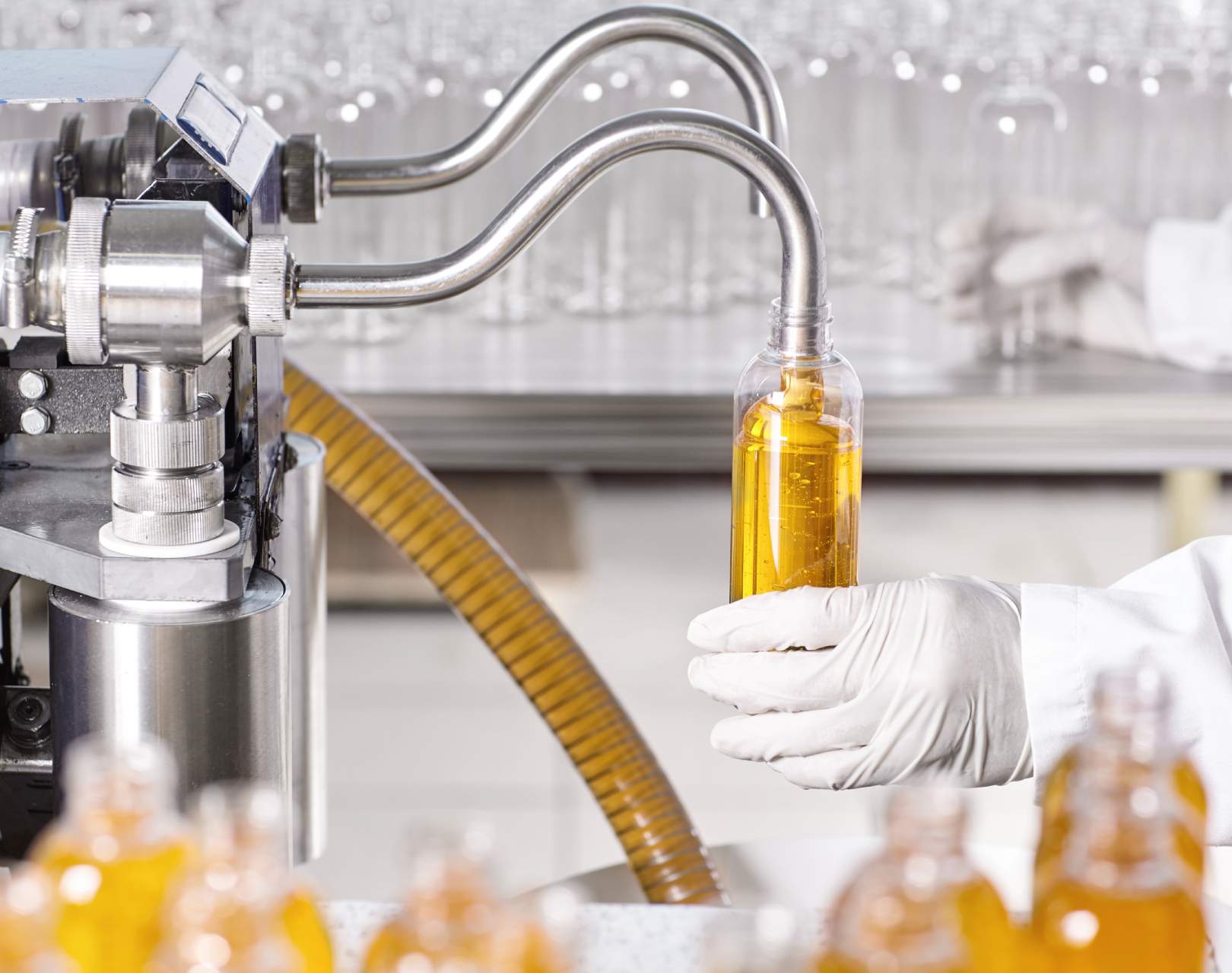
The drum filling system is widely used in industries where liquids are repackaged from bulk storage into drums or barrels.
Typical applications include
Solvent repackaging and trading operations
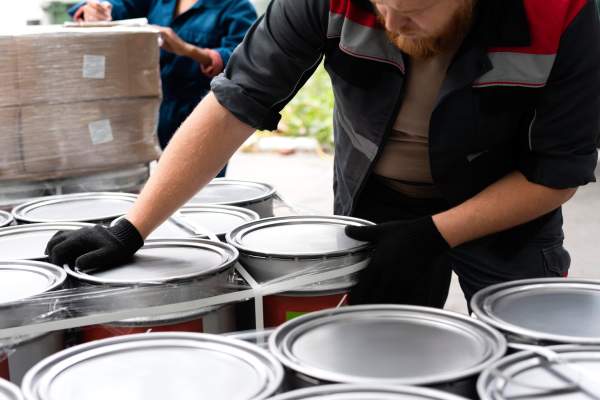
Petrochemical product drum filling

Pharmaceutical intermediates and solvent handling
Oils, additives, and specialty fluids

Contract filling and third-party logistics operations
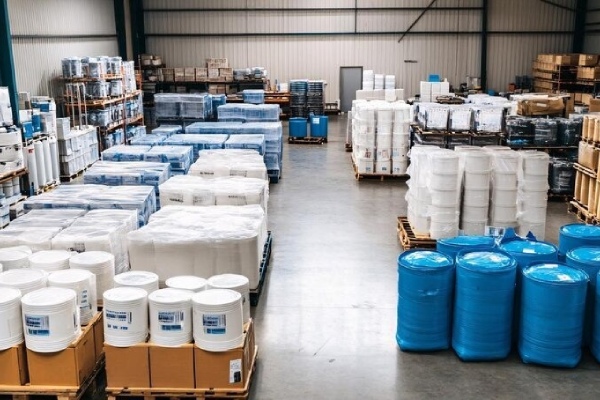
Chemical distribution and export packaging
In these applications, container filling systems based on flow measurement provide higher confidence and throughput compared to mass-based filling methods.