
High-Precision Dispensers
- Fuel flowmeters are critical instruments for measuring liquid fuels where accuracy, stability, and repeatability directly impact cost and accountability
- Fuel flowmeters based on positive displacement (PD) technology typically oscillating piston are globally accepted as the most accurate method for fuel measurement
- Fuels are bought, sold, and accounted for by volume, making volumetric measurement essential
- Fuel flowmeters directly measure volume, not inferred or calculated values
- Ideal for liquid fuel flow meter, diesel flow meter, heavy fuel oil flow meter, and HFO flow meter applications
- Widely used across energy, marine, power generation, and industrial fuel systems
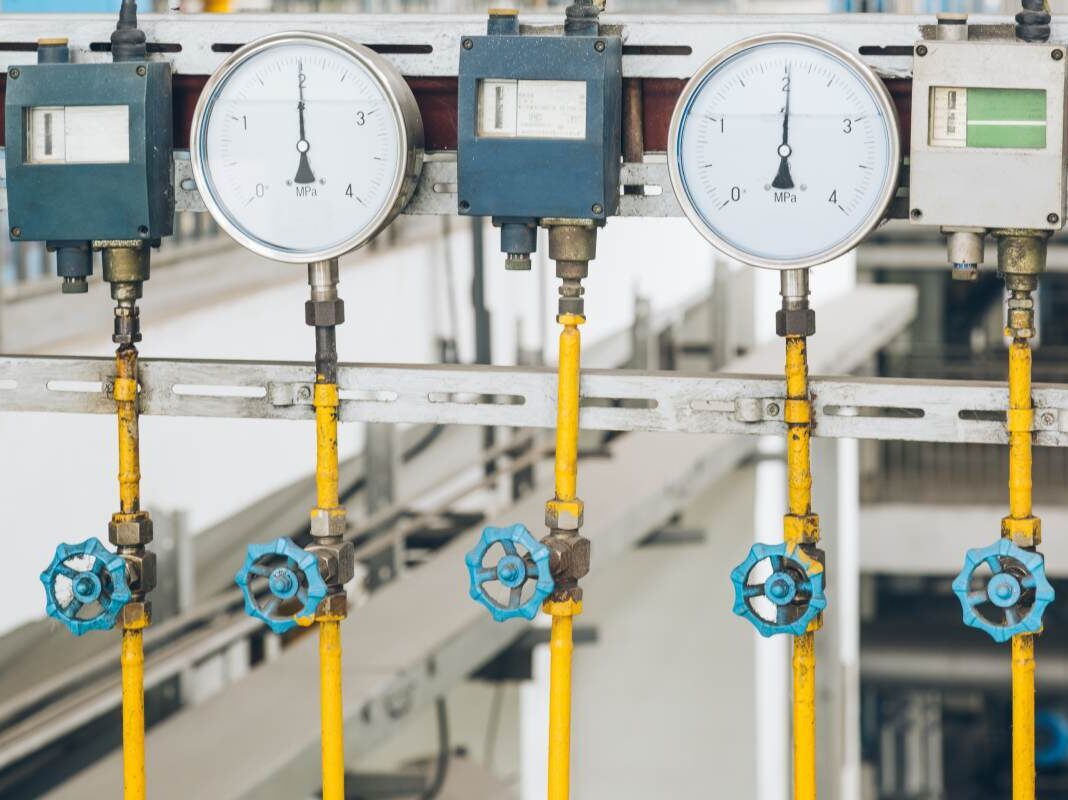
Core Information
- Fuel flowmeters use positive displacement mechanisms that trap and measure a fixed volume of fuel per cycle
- Each mechanical movement corresponds to a known volume, ensuring true volumetric measurement
- Accuracy remains stable regardless of pressure, temperature, or density variations
- Unlike inferential meters, fuel flowmeters do not rely on flow profile assumptions
- DP transmitters infer flow from pressure drop and are highly sensitive to viscosity, density, and installation errors
- Mass flowmeters calculate volume as a derived third variable, compounding errors from mass flow and density measurement
- PD-based fuel flowmeters eliminate these uncertainties by directly measuring volume
- Suitable for both light and heavy fuels, including diesel and HFO
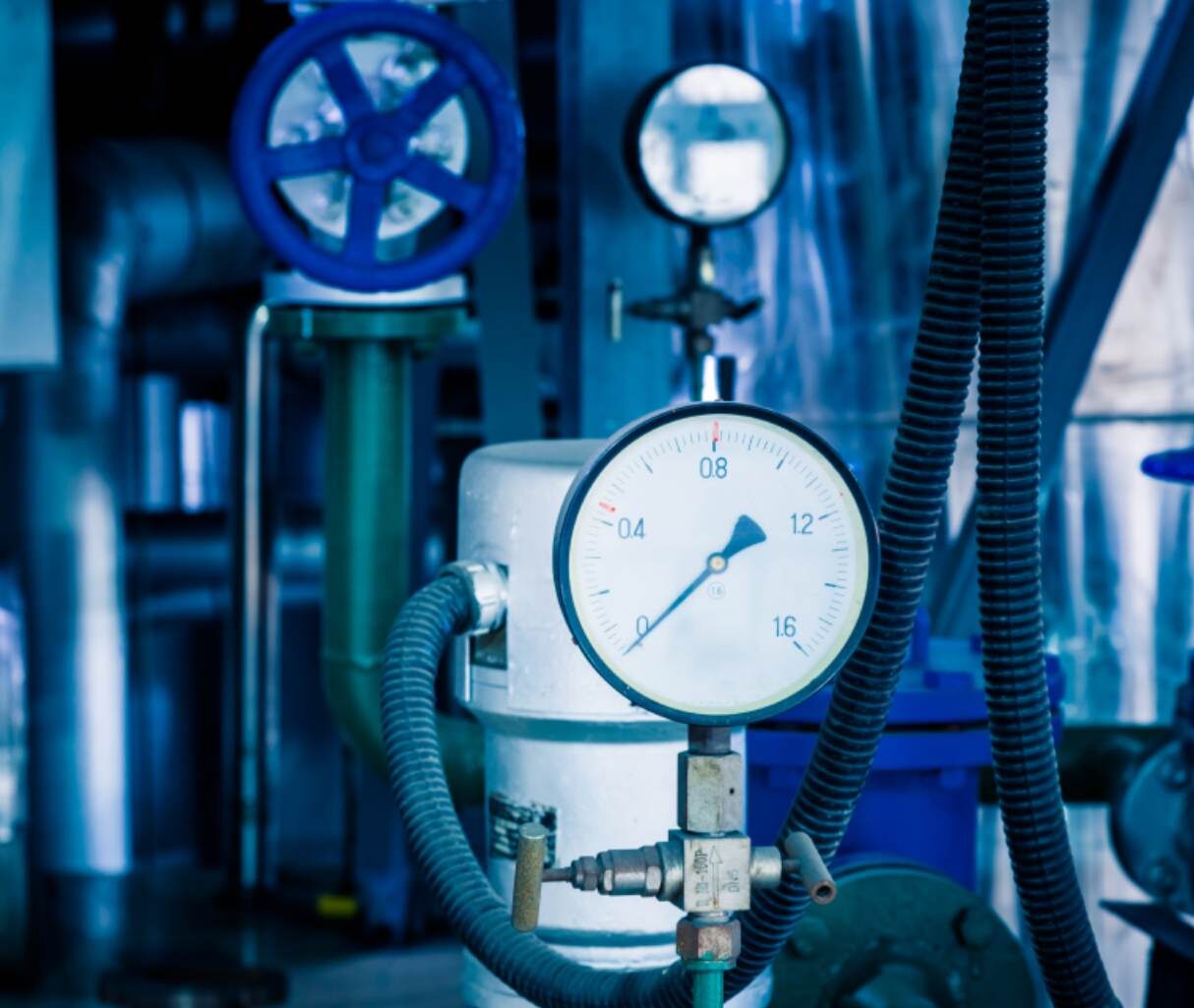
- Direct volumetric measurement, aligned with how fuels are commercially traded
- Highest accuracy and repeatability among all fuel flowmeters
- Measurement stability unaffected by density or temperature fluctuations
- Immune to pulsating flow and variable operating conditions
- Superior alternative to DP transmitters, which drift with fluid properties
- Superior alternative to mass flowmeters, which derive volume indirectly
- Ideal for diesel flow meter and HFO flow meter applications
- Long-term reliability with predictable performance
- Positive displacement oscillating piston volumetric measurement principle
- Direct measurement of fuel volume without density compensation
- High accuracy across wide operating ranges
- Suitable for diesel, HFO, and other liquid fuels
- Insensitive to pulsation, vibration, and flow disturbances
- No need of straight runs of pipe
- Available with mechanical, pulse, and digital outputs
- Lower uncertainty compared to DP transmitters and mass flowmeters
- Designed for long service life in fuel handling systems
Applications
Fuel flowmeters are used wherever liquid fuel consumption must be measured accurately.
Common fuel flowmeters applications include
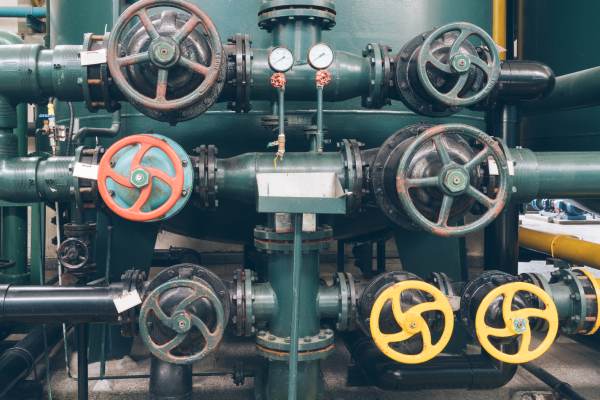
Liquid fuel flow meter systems for industrial burners
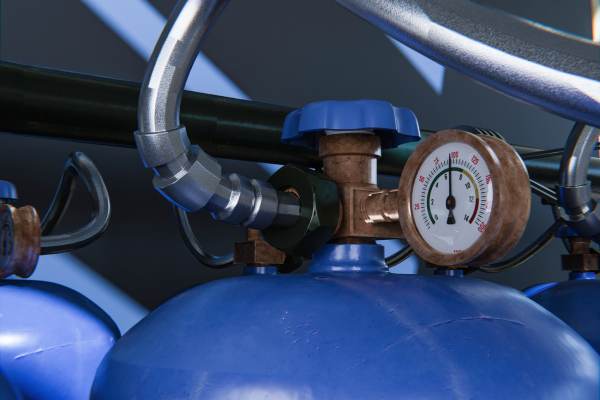
Diesel flow meter installations for generators and engines
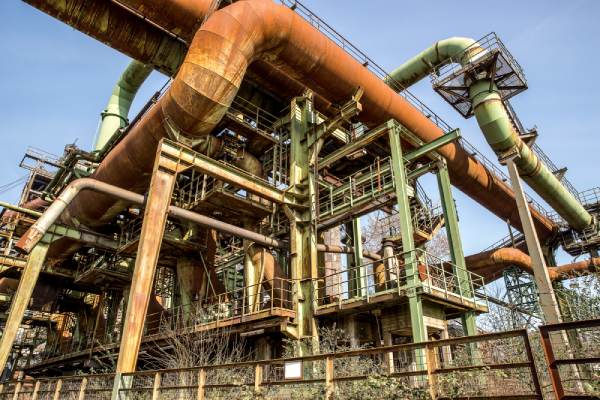
Heavy fuel oil flow meter systems in power plants
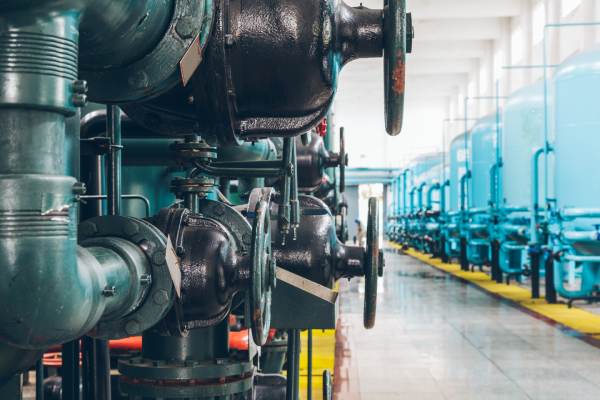
HFO flow meter applications in marine and utility sectors
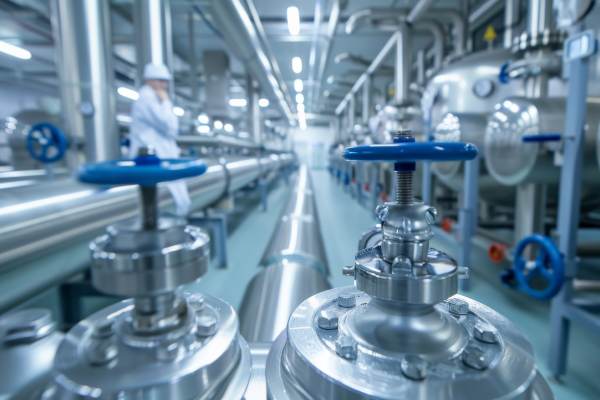
Decanting metering skids
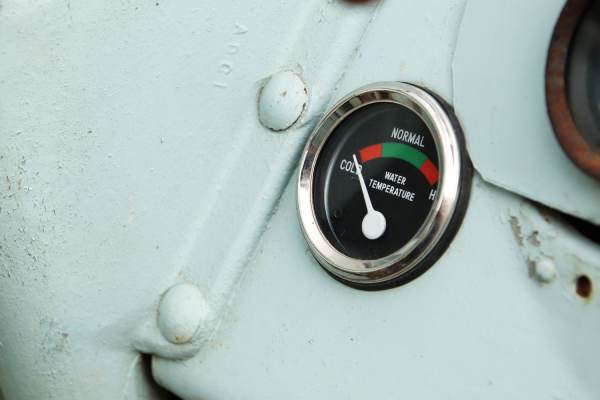
Engine fuel consumption measurement
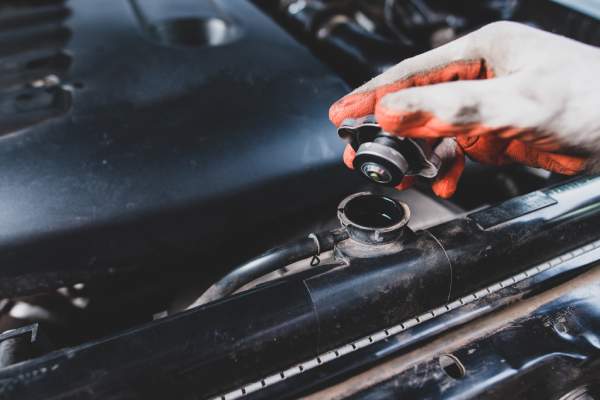
Test benches and fuel calibration systems
Custody transfer
Terminal automation
FAQ’s
A fuel flowmeter is an instrument used to measure the volumetric flow of liquid fuels such as diesel, white oils, and black oils. In custody transfer and commercial fuel accounting, fuel flowmeters based on positive displacement technology are preferred because they directly measure volume, which aligns with how fuels are bought, sold, and reconciled across industrial, marine, and power generation applications.
Common fuel flowmeters include positive displacement, turbine, differential pressure, and mass flowmeters. Positive displacement fuel flowmeters are widely regarded as the best choice for fuel measurement because they directly measure volume. Differential pressure meters infer flow and are sensitive to fluid properties, while mass flowmeters calculate volume indirectly, increasing overall measurement uncertainty
Fuel flowmeters are typically used in power generation plants, marine fuel systems, industrial burners, generator fuel lines, fuel transfer skids, and custody transfer stations. They are essential wherever accurate measurement of diesel, heavy fuel oil, or other liquid fuels is required for billing, efficiency monitoring, regulatory compliance, or fuel consumption analysis.
Yes, Fluidyne oscillating piston flowmeters are available with digital outputs for integration into control and monitoring systems. These may include pulse outputs, analog signals, and digital communication protocols such as Modbus or other industrial interfaces, allowing real-time fuel measurement, data logging, and seamless integration into custody transfer, automation, and energy management systems.
Maintenance requirements depend on the measurement principle. Oscillating piston positive displacement fuel flowmeters require minimal maintenance because they use a single moving piston, have no metal-to-metal contact, and operate at low internal stress. Unlike turbine or mass flowmeters, they are unaffected by vibration, pulsation, or density changes, resulting in longer service intervals and predictable long-term performance.