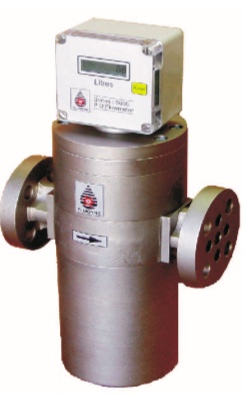
Oil Dispensing System
An Oil Dispensing Systems in an automotive plant is no longer just about pouring fluids. It is about control, repeatability, and traceability. Fluidyne’s portfolio combines the proven 6700 Liquid Filling Machines with the advanced Series 6780 Evac and Fill machines, creating a complete ecosystem for dispensing and filling oils, fuels, and functional automotive fluids.
While the 6700 series focuses on precise dispensing of transmission oils, hydraulic oils, gear oils, and fuels such as gasoline and diesel, the Series 6780 Evac n Fill machines extend capability into fluids that demand air-free filling. Brake fluid, power steering (PAS) oil, clutch fluid, coolant, and hydraulic oils are handled with a disciplined sequence of evacuation, filling, and leveling. Together, these machines define a modern Oil Dispensing System suited for high-quality automotive oil dispenser.
Core Information
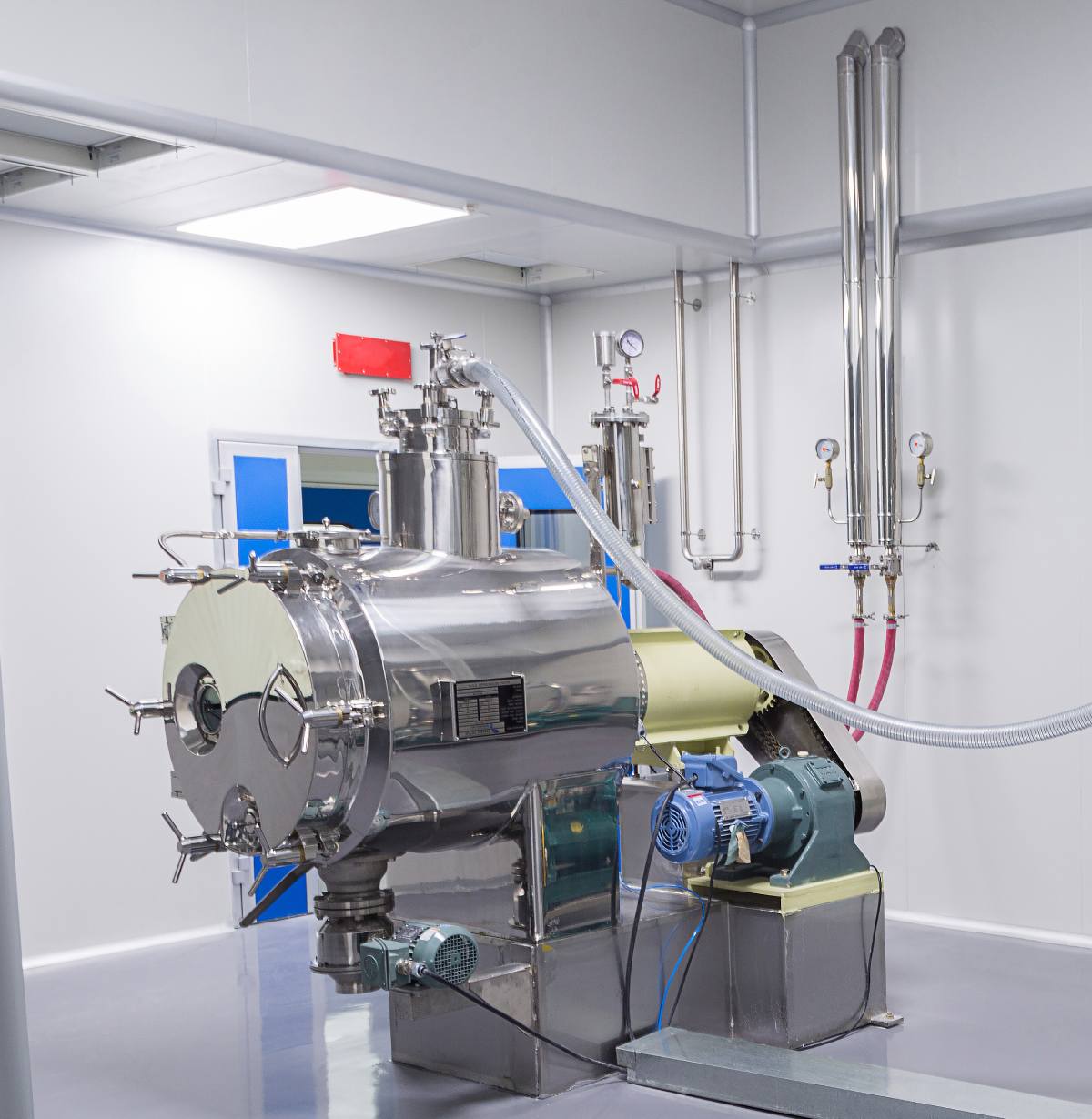
An Oil Dispensing Systems in an automotive plant is no longer just about pouring fluids. It is about control, repeatability, and traceability. Fluidyne’s portfolio combines the proven 6700 Liquid Filling Machines with the advanced Series 6780 Evac and Fill machines, creating a complete ecosystem for dispensing and filling oils, fuels, and functional automotive fluids.
While the 6700 series focuses on precise dispensing of transmission oils, hydraulic oils, gear oils, and fuels such as gasoline and diesel, the Series 6780 Evac n Fill machines extend capability into fluids that demand air-free filling. Brake fluid, power steering (PAS) oil, clutch fluid, coolant, and hydraulic oils are handled with a disciplined sequence of evacuation, filling, and leveling. Together, these machines define a modern Oil Dispensing System suited for high-quality automotive oil dispenser.

Applications
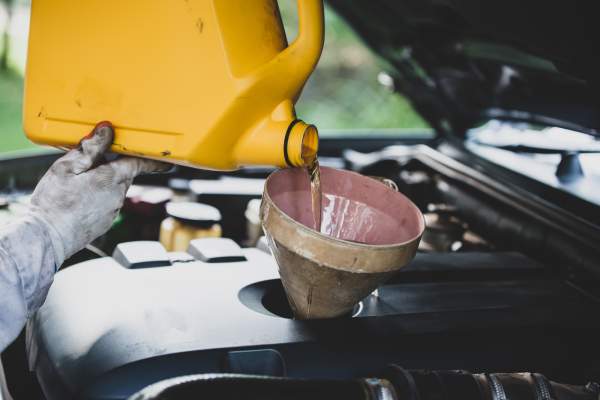
Engine oil filling in passenger vehicle assembly lines
Transmission, gearbox, and differential oil dispensing
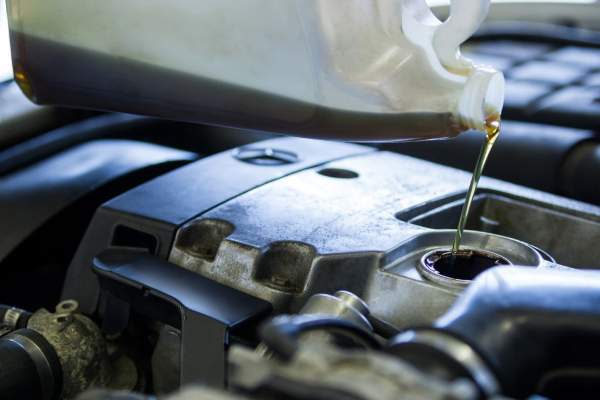
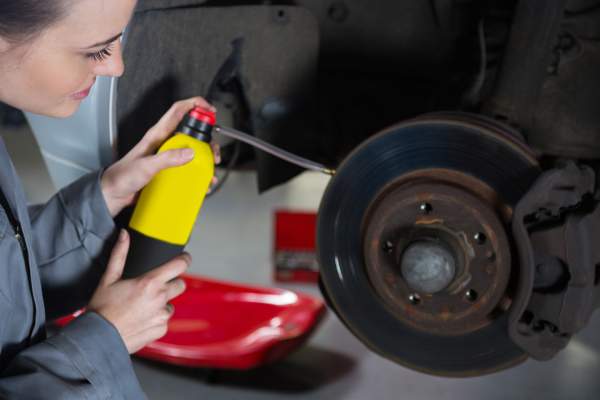
Brake fluid dispensing
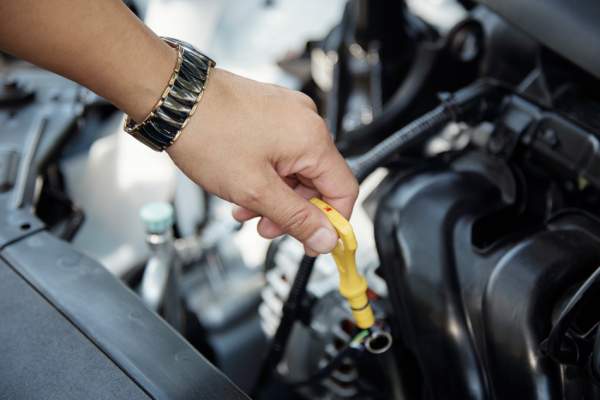
Clutch fluid filling for manual and automated transmissions
Power steering (PAS) oil filling
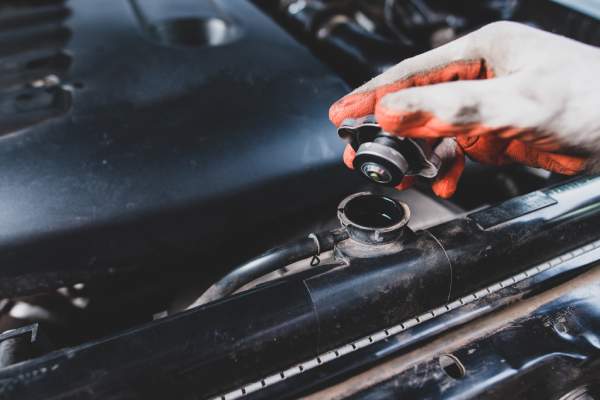
Coolant filling with evacuation and leveling
Hydraulic oil filling for construction and off-highway equipment
Fuel dispensing for gasoline, diesel, and blended fuels
Shock absorber oil filling
Heavy commercial vehicle and truck assembly lines