
Tanker Unloading System
The Configuration of Tanker Unloading System
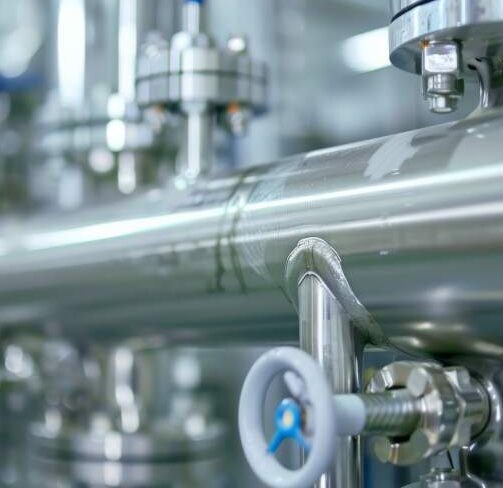
Fluidyne Tanker Unloading Systems are supplied as compact, skid-mounted packages ready for site deployment.
Core Information
Core Configuration
- Inlet hose connection with isolation valves
- Fluidyne vapor separator for 100% entrained air removal
- Oscillating piston positive displacement flowmeter
- Strainer
- Centrifugal or gear pump, application dependent
- Non-return valve
- Batch controller
Degassing and Flow Stability
- Vapor separator removes free and entrained air
- Handles surging and interrupted tanker discharge
- Stabilizes flow before entering flowmeter
- Maintains volumetric accuracy during start and end of unloading
Tank Protection
- Vacuum breaker provided for unloading into underground tanks
- Prevents tank collapse due to negative pressure
- Ensures safe and continuous unloading operation
This configuration ensures the Tanker Unloading System measures liquid only, not air, foam, or vapor.

- Accurate tanker unloading measurement
- True volumetric accounting
- Better precision than weighing bridges
- No over-registration due to air
- Stable performance during flow interruptions
- Reliable unloading of road tankers and barges
- Compatible with wide fluid viscosity range
- Reduced custody transfer disputes
- Faster unloading cycles
- Lower maintenance requirements
- Long-term measurement stability
- Oscillating piston PD flowmeter core
- Fluidyne-patented vapor separator technology
- 100% entrained air elimination
- Centrifugal or gear pump options
- Suitable for viscous and low-viscosity fluids
- Vacuum breaker for underground tanks
- Skid-mounted compact design
- Batch or totalizing operation
- Minimal pressure loss
- Industrial-duty construction
Applications
Chemical Industry
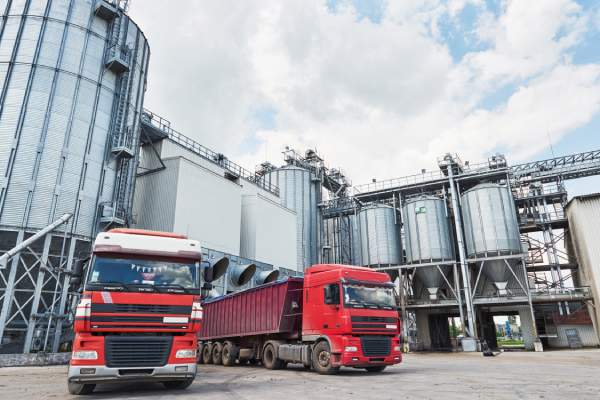
- Solvent unloading
- Acid and alkali unloading
- Specialty chemical transfer
- Bulk raw material receipt

Petroleum and Energy
- Diesel and HSD unloading
- Furnace oil and LSHS unloading
- Blended fuel unloading
- Light petroleum products
Industrial Storage & Distribution
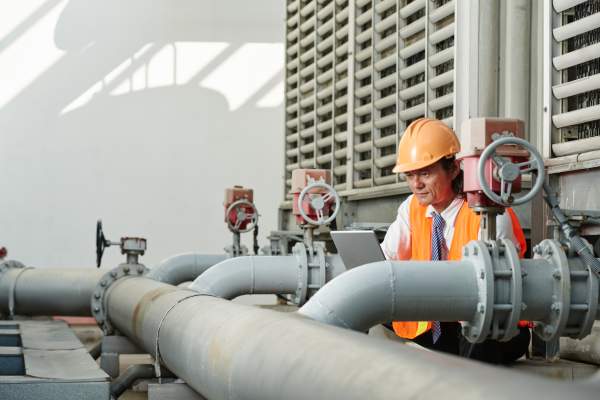
- Tank farm receipt systems
- Bulk storage depots
- Intermediate transfer terminals
Marine and Logistics
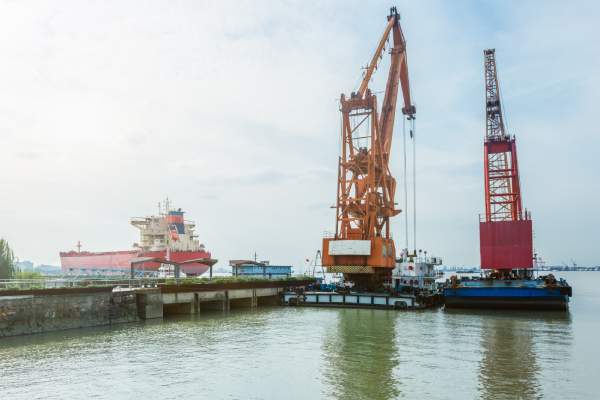
- Barge unloading systems
- Multi-compartment tanker unloading
Related Product
Series 7100
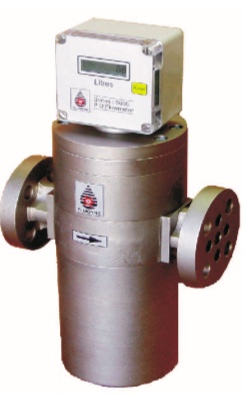
Series 7100– Tanker Decanting Systems
FAQ’s
A Tanker Unloading System is an engineered setup used to accurately unload and measure liquids from road tankers or barges into storage tanks or process vessels. It typically includes pumps, vapor separators, flowmeters, and safety devices. The system ensures that only liquid volume is measured, eliminating errors caused by entrained air or flow interruptions during unloading.
Tanker Unloading Systems are widely used in chemical, petrochemical, petroleum, pharmaceutical, and bulk liquid industries. Any operation that receives raw materials or finished products by road tanker or barge relies on tanker unloading systems for accurate inventory control, custody transfer, and safe bulk liquid handling.
A Fluidyne Tanker Unloading System includes a vapor separator, oscillating piston flowmeter, strainer, unloading pump, batch controller and vacuum breaker depending on fluid type, storage configuration, and unloading requirements.
Yes, Tanker Unloading Systems are designed to handle hazardous and aggressive chemicals. Materials of construction, sealing systems, and safety components are selected based on chemical compatibility. Proper vapor separation, controlled flow, and enclosed operation make these systems suitable for safe unloading of solvents, fuels, and corrosive liquids.
Safety measures include vapor separation to prevent air ingestion, vacuum breakers to protect underground tanks, non-return valves to avoid backflow, and controlled pump operation. Proper earthing, leak containment, and interlocks are also used to ensure safe tanker unloading while protecting personnel, equipment, and storage infrastructure.