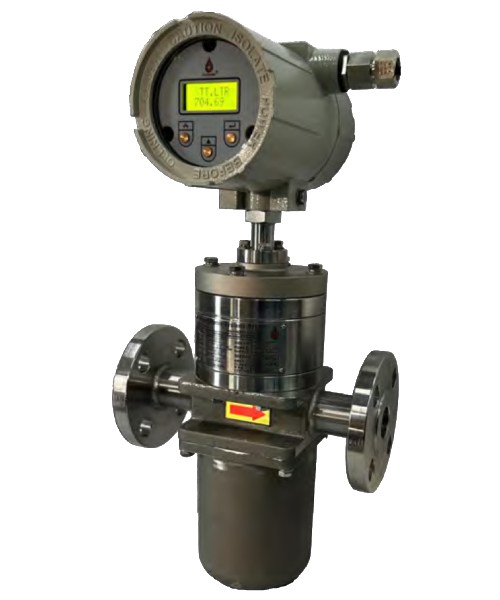
Why Positive Displacement Flowmeters?

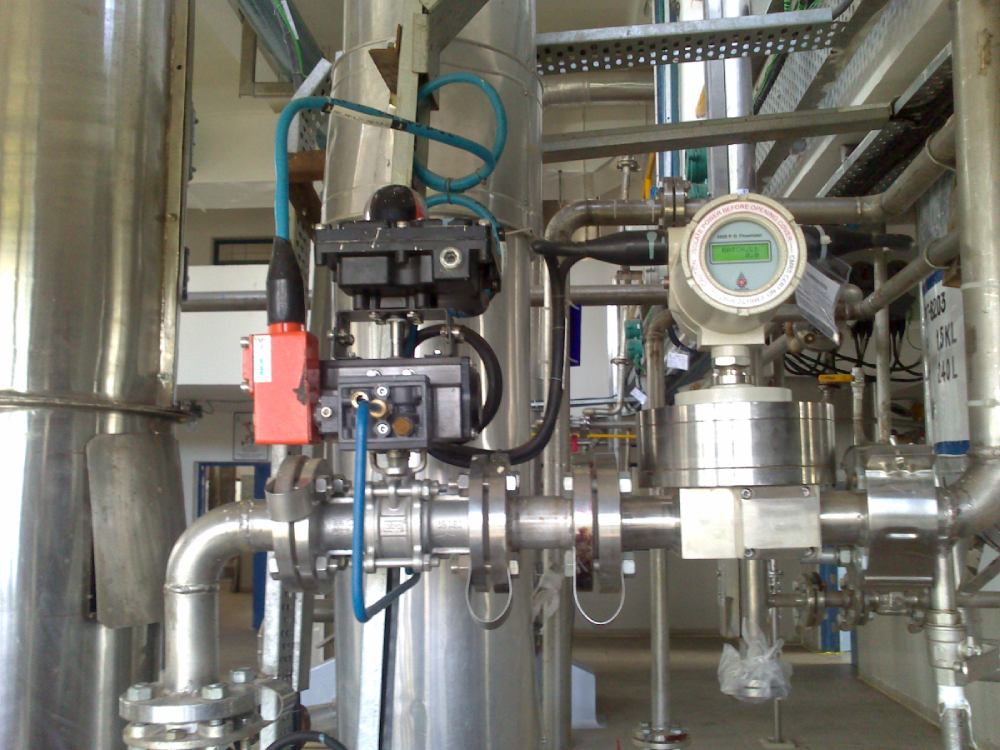
Positive Displacement Flowmeters are chosen when accuracy is non-negotiable and process conditions are unforgiving. Unlike velocity-based technologies, a positive displacement flowmeter measures fluid by physically capturing and transferring a known volume within its measurement chamber. Among all variants, oscillating piston designs have consistently proven superior in real industrial service.

While oval gear, screw, vane, and nutating disc meters all belong to the positive displacement meter family, they suffer from wear, sensitivity, and complexity.

Oscillating piston Positive Displacement Flowmeters simplify the mechanism to a single moving element, delivering repeatable accuracy across extreme viscosity ranges, high pressures, and even hygienic applications. This makes them one of the most versatile positive displacement meter technologies available today.
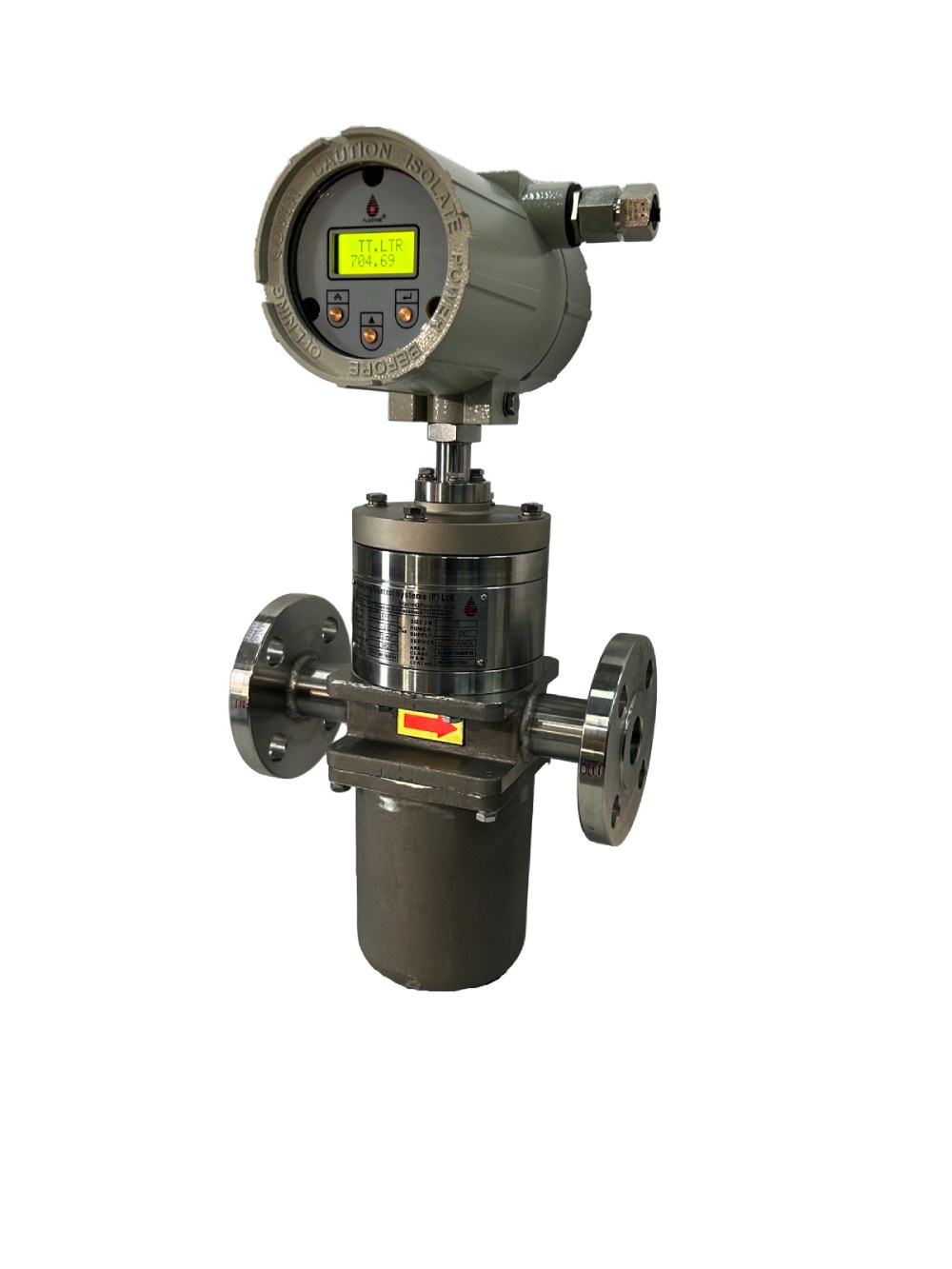
Core Information

Oscillating piston Positive Displacement Flowmeters incorporate precision engineered measurement chamber and rotor assemblies.

Applications

Oil and Gas

  • Liquid hydrocarbon oils
  • Lubes
  • Aviation fuel
  • Ethanol

Fuel Oils

  • Heavy oils
  • LSHS
  • Furnace Oils
  • Light Diesel Oil

Petrochemical measurement

  • Distillation
  • Intermediates
  • Acids

  • Corrosive chemicals

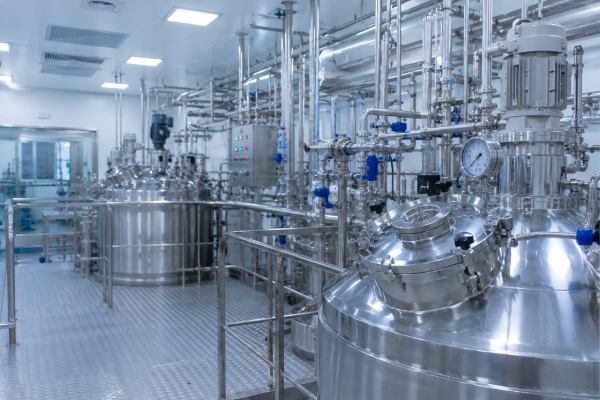
Pharmaceutical and Life Sciences

  • Demineralized water measurement
  • Organic solvents

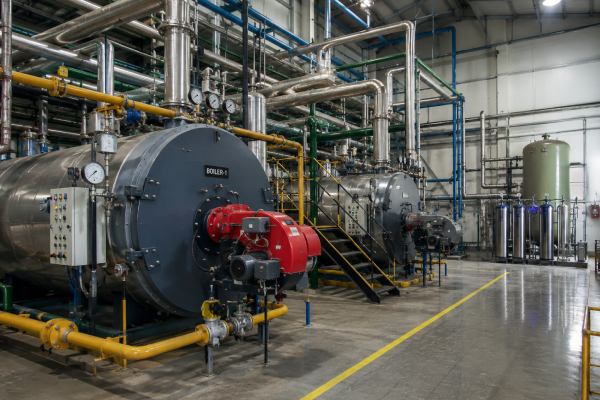
Utilities

  • Condensate water
  • Boiler feed water
  • Oil flowmeters

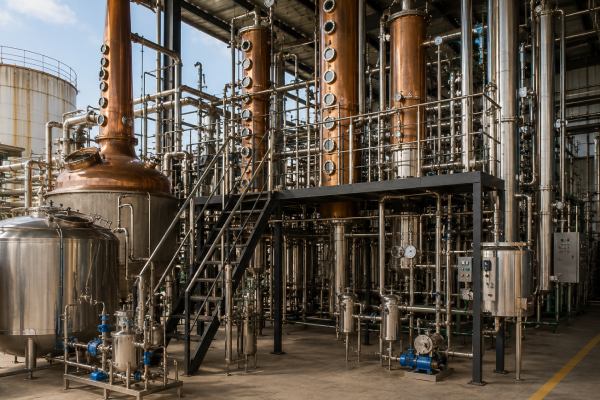
Distilleries

  • Technical Alcohol
  • Rectified spirits
  • Extra Neutral Alcohol

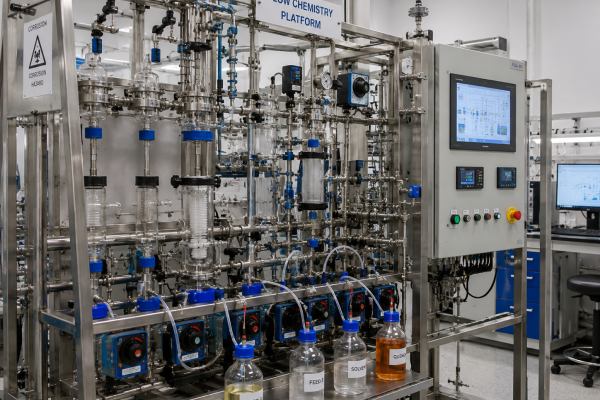
Flow Chemistry

  • Acids and alkalis
  • Catalysts

Power Plants

  • Lubricant Oil
  • Diesel

Why Oscillating Piston Beats Other Positive Displacement Meters

Parameter Oscillating Piston Oval Gear Screw Vane Nutating Disc
Moving parts Single element Two gears Multiple screws Rotor + vanes Disc + linkage
Low-flow accuracy Excellent Poor Poor Fair Fair
Wear rate Very low High High High Medium
Pressure capability Up to 800 bar Limited Limited Low Low

Oscillating Piston Advantage

  • One moving part only
  • Controlled clearances
  • Consistent volumetric capture
  • Lower friction losses
  • Longer service intervals

Related Products

Series 6600 – Oscillating Piston Flowmeters

  • 66X0 Product Catalogue

  • Instruction Manual

  • Application notes

Series 6610 – Oscillating Piston Flowmeters

  • Catalogue

  • Instruction Manual

FAQ’s

A Positive Displacement Flowmeter measures flow by trapping a fixed volume of fluid and counting how many times that volume is transferred through the meter. This method provides direct volumetric measurement, making positive displacement flowmeters highly accurate and reliable, especially for viscous fluids, low flow rates, and applications where fluid properties vary significantly.

Positive displacement flowmeters are primarily designed for liquids. While some specialized designs can measure gases, oscillating piston positive displacement flowmeters are best suited for liquid applications. Gases tend to compress, which affects volumetric accuracy. For gas measurement, technologies specifically designed to account for compressibility are generally preferred.
Maintenance requirements are relatively low, especially for oscillating piston designs. Periodic inspection for wear, seal condition, and cleanliness is usually sufficient. Since oscillating piston positive displacement flowmeters have only one moving part, they experience less mechanical wear compared to multi-part designs, resulting in longer service intervals and stable accuracy.
Yes, oscillating piston Positive Displacement Flowmeters can be engineered for high-pressure service. With reinforced housings and appropriate sealing, they can operate reliably at pressures up to 750–800 bar. This makes them suitable for hydraulic systems, test rigs, and high-pressure industrial processes.
Positive Displacement Flowmeters are widely used in oil and gas industry, custody transfer, oil and fuel measurement, chemical dosing, lubrication systems, pharmaceutical processing, food and beverage production, and high-pressure industrial applications. Their ability to measure viscous fluids accurately and maintain long-term stability makes them a preferred choice across many industries.