Why Positive Displacement Flowmeters?
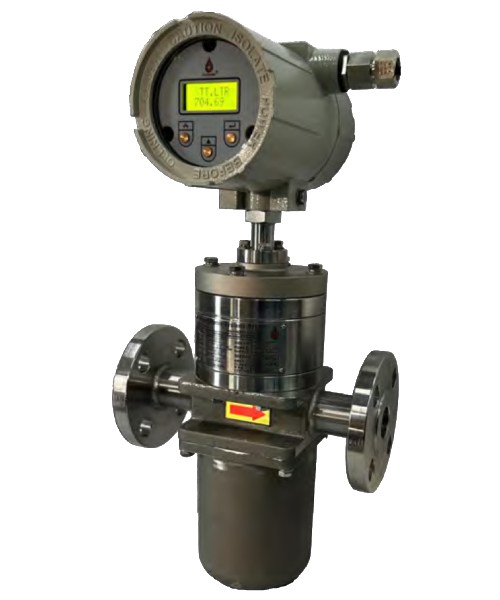
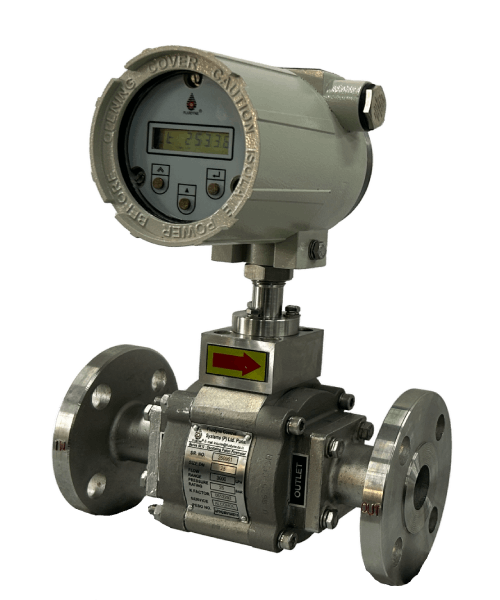
Positive Displacement Flowmeters are chosen when accuracy is non-negotiable and process conditions are unforgiving. Unlike velocity-based technologies, a positive displacement flowmeter measures fluid by physically capturing and transferring a known volume within its measurement chamber. Among all variants, oscillating piston designs have consistently proven superior in real industrial service.
While oval gear, screw, vane, and nutating disc meters all belong to the positive displacement meter family, they suffer from wear, sensitivity, and complexity.
Oscillating piston Positive Displacement Flowmeters simplify the mechanism to a single moving element, delivering repeatable accuracy across extreme viscosity ranges, high pressures, and even hygienic applications. This makes them one of the most versatile positive displacement meter technologies available today.
Core Information
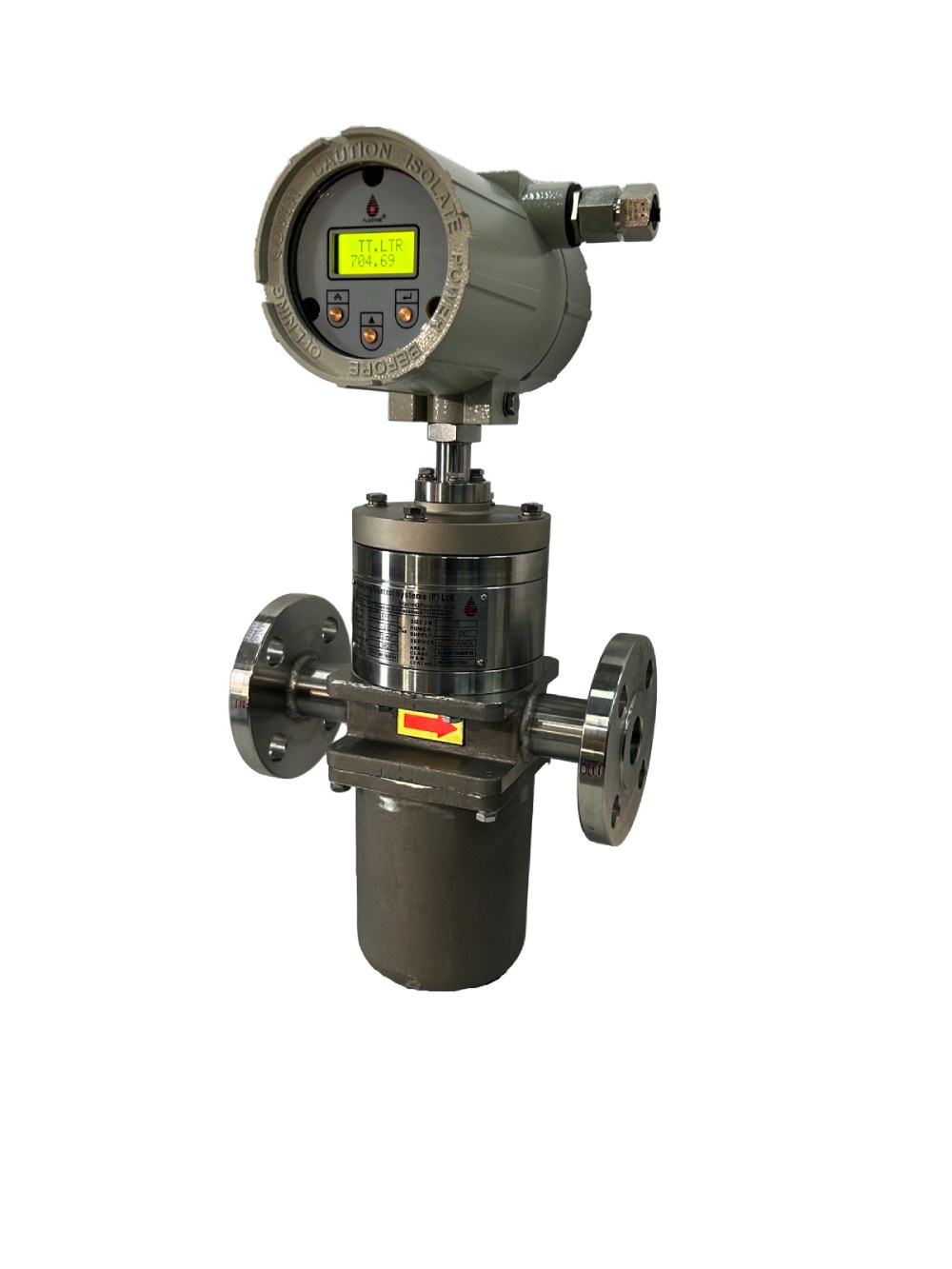
Oscillating piston Positive Displacement Flowmeters incorporate precision engineered measurement chamber and rotor assemblies.
Core Configuration
This configuration allows the same oscillating piston positive displacement meter principle to be adapted across industries without compromising accuracy.
Applications

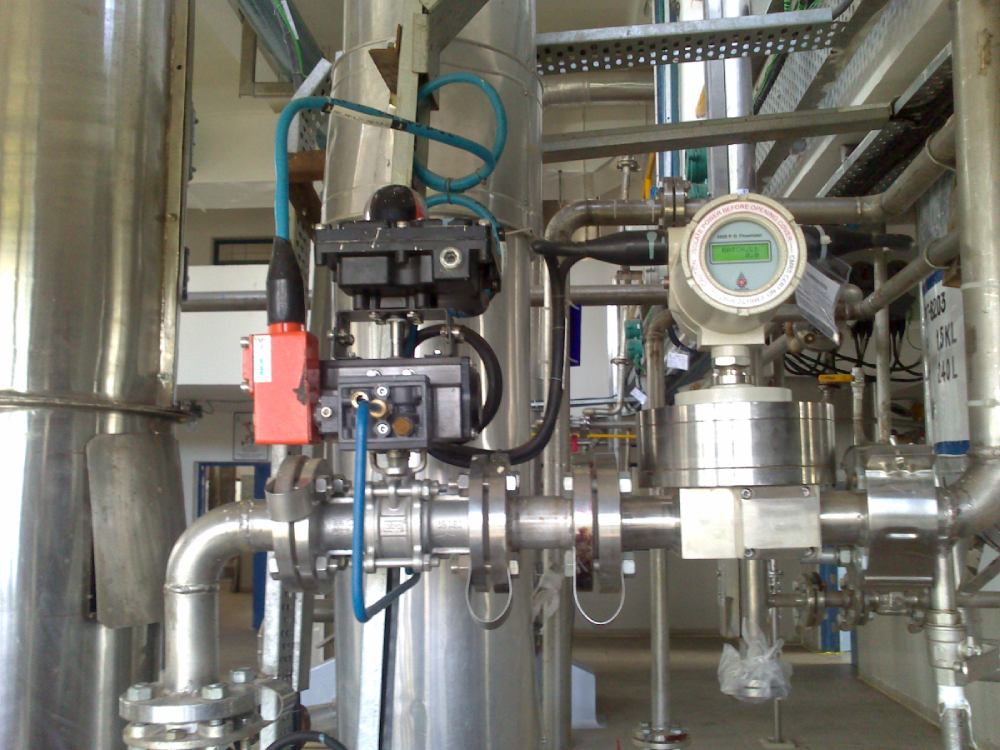
Oil and Gas

Fuel Oils
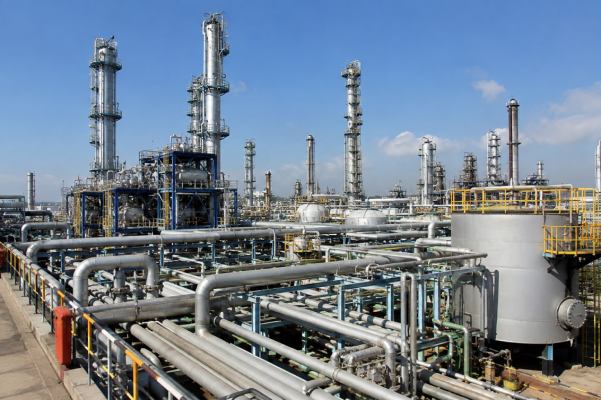
Petrochemical Measurement
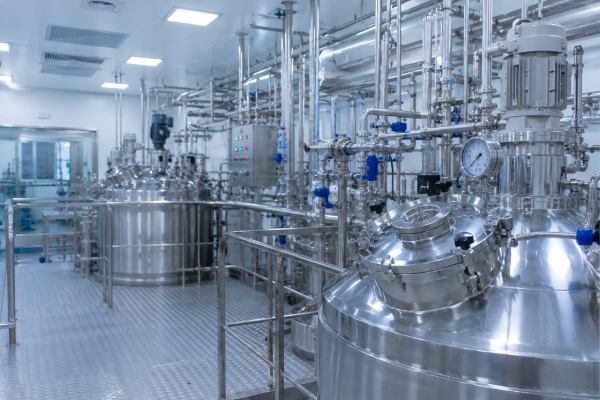
Pharmaceutical and Life Sciences
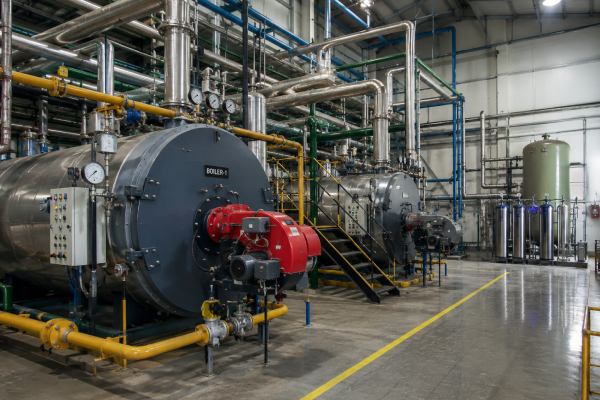
Utilities
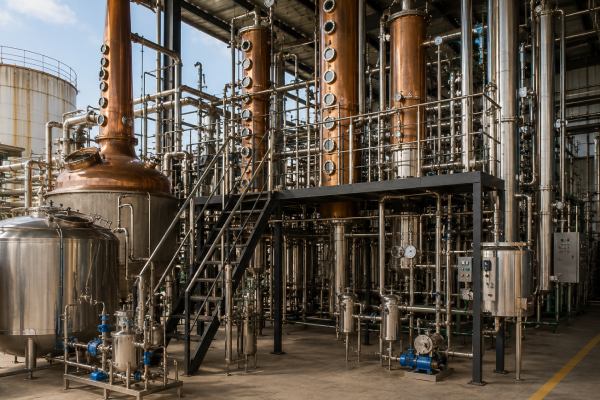
Distilleries
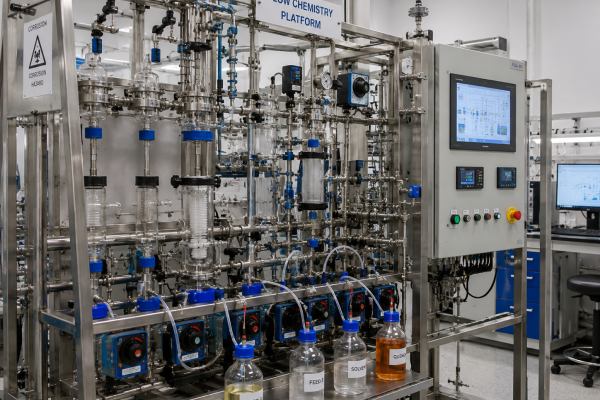
Flow Chemistry