Oil flowmeter

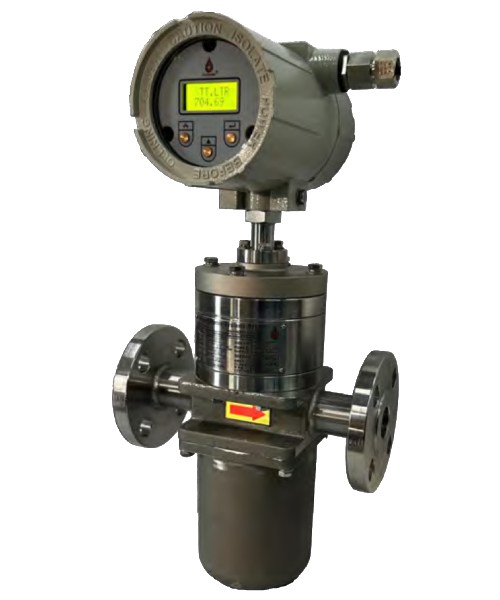
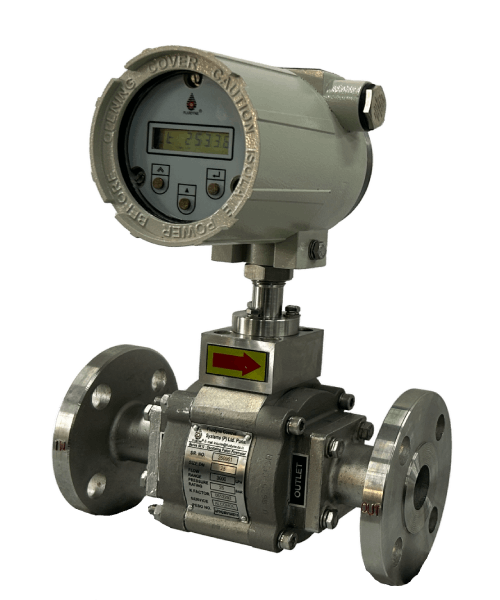
Fluidyne oil flowmeter solutions are designed for accurate and dependable measurement across a wide range of industrial oils, from light lubricants to highly viscous furnace oils. The oscillating piston oil flowmeter uses a pressure-balanced design, helping maintain measurement stability under demanding process conditions.

With pressure compliance up to 650 bar, the oil flowmeter is equally suited to conventional process duties and high-pressure applications. Its positive displacement principle enables the oil flowmeter to perform reliably across varying viscosities and low flow rates, while the absence of metal-to-metal contact reduces wear and maintenance. This makes the Fluidyne oil flowmeter a robust choice for continuous measurement, batching, dispensing and totalization applications.
Core Information

The Oscillating piston oil flowmeter incorporates precision engineered measurement chamber and rotor assemblies.

Applications

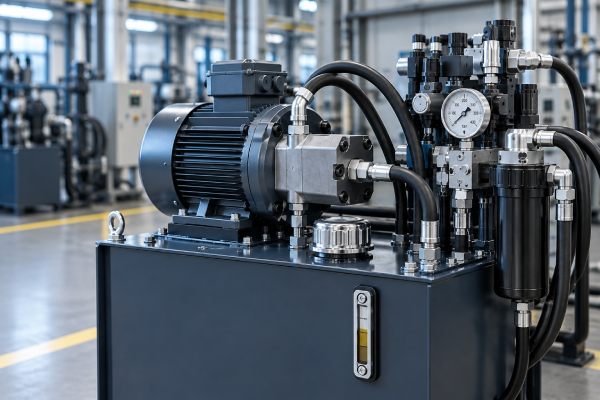
Hydraulic Powerpacks

  • Powerpack flow monitoring
  • Injection moulding
  • Hydraulic oil circulation

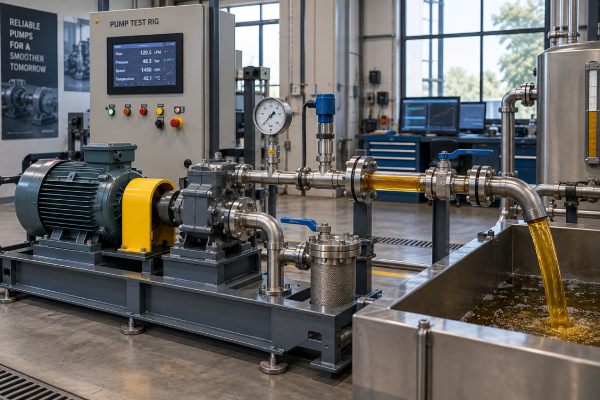
Pump Testing

  • Hydraulic pump testing
  • Positive displacement pump test rigs

Power Plants

  • Gas turbines
  • Boiler feed pumps
  • Hydraulic power units
  • Transformer oil
  • Gearbox oil

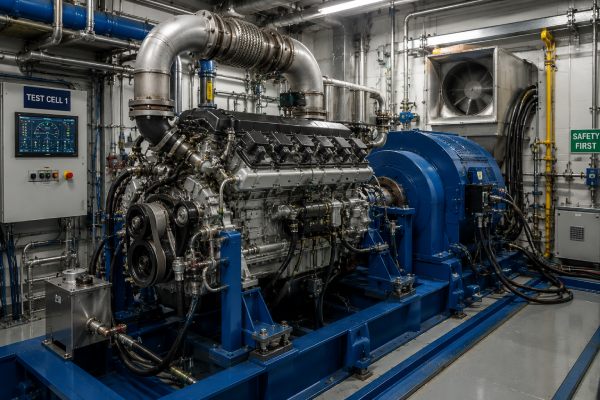
Engines

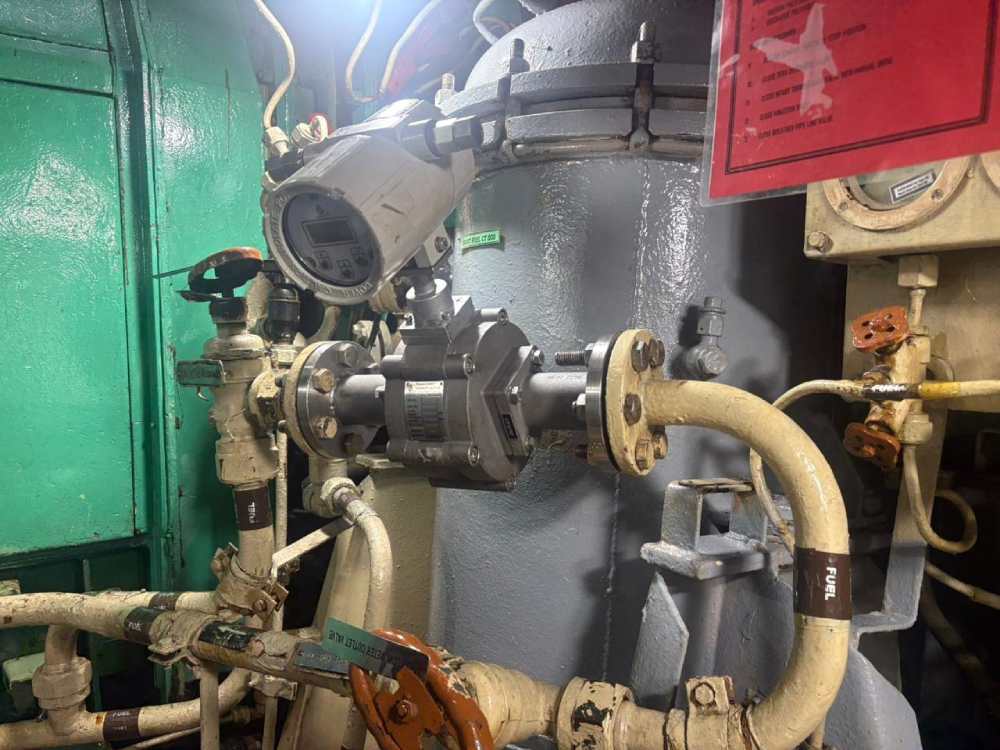
  • Marine
  • Fuel flowmeter
  • Automotive engines

Related Products

Series 6600 – Oscillating Piston Flowmeters

  • 6600 Product Catalogue

  • Instruction Manual

  • Application notes

Series 6610 – Oscillating Piston Flowmeters

  • Catalogue

  • Instruction Manual

FAQ’s

An oil flowmeter is an instrument used to measure the volume or flow rate of oil passing through a pipeline. Fluidyne oscillating piston flowmeters operate on the positive displacement principle, where a precision piston oscillates within the measuring chamber and displaces a fixed volume of oil during each cycle. These movements are electronically detected and converted into accurate flow rate and totalized volume.
Industrial oil measurement commonly uses positive displacement, Coriolis, turbine, gear and variable-area flowmeters. The appropriate technology depends on flow range, viscosity, pressure, accuracy and operating conditions. Positive displacement meters, particularly oscillating piston designs, are well suited to oil measurement because they directly measure displaced volume and can handle applications ranging from a lube oil flow meter to heavy and viscous oils.
Oil viscosity can vary significantly between products and with operating temperature, making it an important consideration when selecting an oil flowmeter. High-viscosity oils can increase pressure loss and affect the performance of certain flow measurement technologies. Positive displacement oscillating piston meters are particularly suitable for viscous liquids, making them an effective choice for applications such as lubricating oils, furnace oils and other heavy petroleum products.
Temperature directly influences oil viscosity and density, while pressure determines the mechanical and sealing requirements of the flowmeter. As temperature rises, oil generally becomes less viscous, which can alter flow characteristics and meter performance. A fuel oil flow meter should therefore be selected according to the application’s complete temperature, pressure, viscosity and flow range to ensure reliable measurement throughout actual operating conditions.
Selecting the right oil flowmeter requires evaluating the oil type, minimum and maximum flow rate, viscosity, operating temperature, pressure, required accuracy, pipe size and material compatibility. The application should also be considered, whether selecting a furnace oil flow meter, lube oil flow meter or fuel oil flow meter. Positive displacement meters are particularly effective where accurate volumetric measurement across varying viscosities is required.
Calibration frequency depends on measurement criticality, operating conditions, company procedures and applicable regulatory requirements. Periodic verification against a traceable standard helps identify measurement drift. Fluidyne oscillating piston meters use a piston manufactured from engineering polymers such as PEEK, eliminating metal-to-metal contact within the measuring chamber. This low-wear construction reduces routine maintenance requirements while supporting reliable long-term operation of the digital oil flow meter.